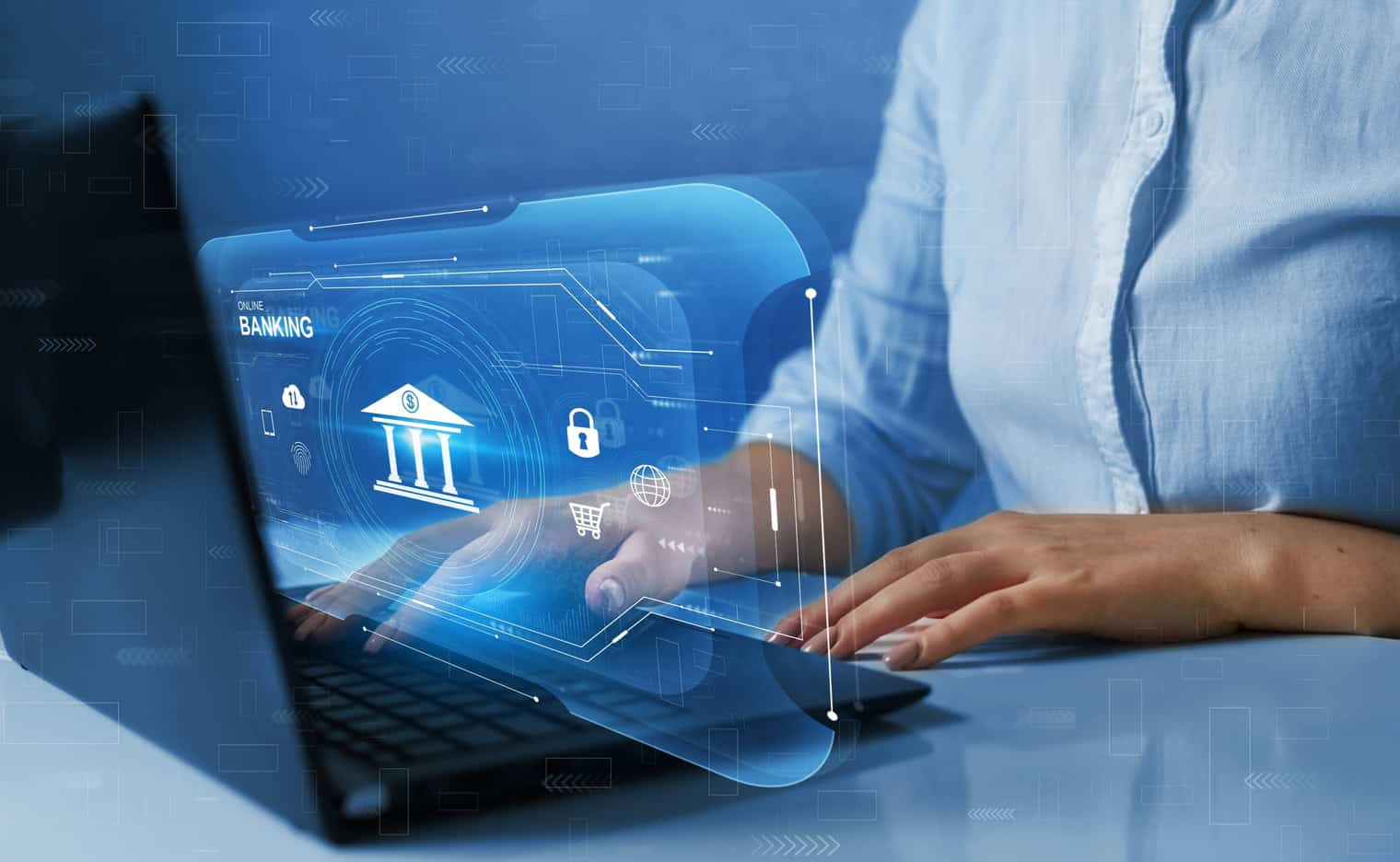
The payment technologies sector continues to stand out not only for the speed and convenience it brings to collections and payment systems, but also for its advancements in security, sustainability, and user experience. In an era where digitalization is accelerating and financial habits are fundamentally evolving, payment solutions are becoming part of a broader transformation centered on trust, environmental awareness, and operational efficiency.
So, which payment technology trends defined 2025? In this article, we explore how developments focused on speed, security, and sustainability are reshaping the business landscape and enhancing user experience.
Yazı İçeriği
ToggleOpen Banking and Digital Wallet Trends
Supported by regulatory frameworks, open banking enables users to manage accounts across multiple banks through a single interface. This innovation enhances transparency, improves financial visibility, and simplifies account management.
Digital wallets have also evolved beyond individual transactions. They now play a significant role in B2B collections and corporate payments. This shift accelerates the cash conversion cycle while improving user convenience and operational efficiency for businesses.
Biometric Authentication in Payments
Traditional authentication methods such as passwords and PIN codes are increasingly being replaced by biometric verification. Fingerprint recognition, facial recognition, and voice authentication enhance payment security while offering a faster and more seamless user experience.
By reducing reliance on knowledge based credentials, biometric systems minimize fraud risks and strengthen identity verification in digital payment environments.
Real Time Payment Systems
Examples such as SEPA Instant in Europe and FedNow in the United States demonstrate that real time payments are becoming the new global standard. Instant settlement capabilities enable businesses to manage cash flow more effectively and deliver faster services to customers.
For companies, real time payment infrastructure enhances liquidity management, reduces settlement delays, and supports more agile financial operations.
Artificial Intelligence in Payment Processes
As cyber threats continue to rise, AI driven payment security has become a critical priority. Artificial intelligence powered algorithms analyze transaction patterns in real time, instantly identifying anomalies and reducing fraud risks.
Beyond fraud prevention, AI also supports predictive cash flow analysis, enabling businesses to anticipate financial trends and make data driven decisions. This dual role strengthens both security and strategic planning.
Strategic Partnerships in Financial Technologies
Collaboration between banks and fintech companies is accelerating. Rather than competing, institutions are increasingly embracing partnership driven innovation. This cooperative model raises security standards, fosters technological advancement, and enables the development of more agile and customer centric payment solutions.
For users, these partnerships translate into more transparent, faster, and accessible financial experiences.
A Future Driven by Speed, Security, and Sustainability
The transformation in payment technologies goes far beyond transaction speed. It supports sustainability by reducing reliance on paper based processes, strengthens security through AI powered systems, and creates a more predictable financial structure for businesses.
Organizations that adapt to these developments position themselves to meet evolving customer expectations while gaining a competitive edge in the market. The financial ecosystem of the future will be shaped by integrated, intelligent, and sustainable payment infrastructures.
Optimize Your Cash Cycle with Octet Türkiye
Octet Türkiye is a supply chain management and financing portal that optimizes the cash cycle by extending payment terms for buyers while accelerating collections for sellers through digital collection and payment solutions.
Contact us via the link to start benefiting from Octet’s advantages today.